
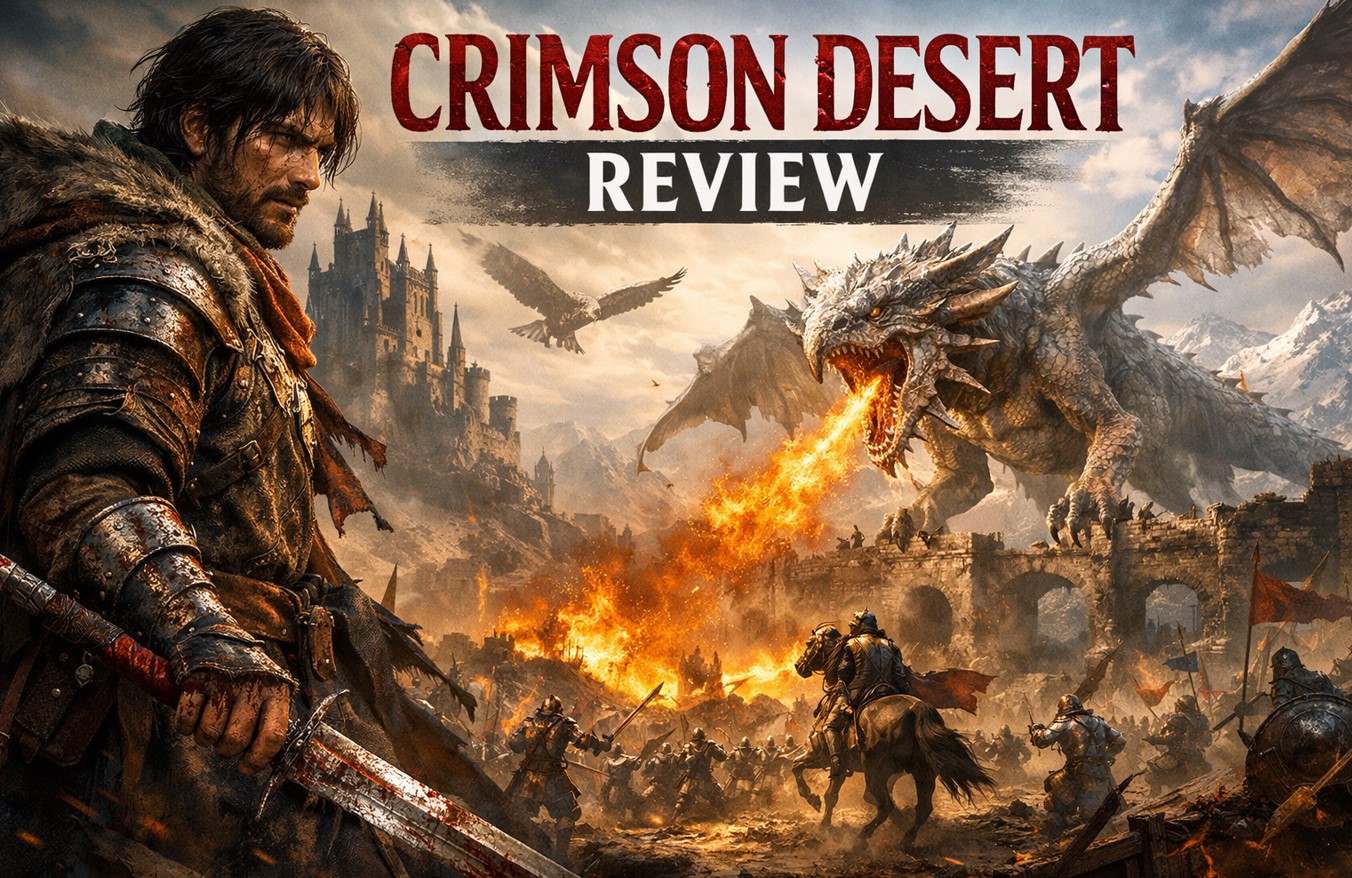
Crimson Desert Review: What You Need to Know Before You Play
So here’s the thing about Crimson Desert review coverage right now. It’s all over the place. One outlet calls it a masterpiece, another says it tastes like cardboard. Confusing, right? Well, that’s kind of the point. This game doesn’t play by the usual rules, and neither do the people writing about it.
Pearl Abyss dropped Crimson Desert on March 19, 2026, after years of waiting. The Korean studio known for Black Desert Online took a huge swing with their first major single-player open-world action RPG. And honestly? It’s a wild ride. Not always smooth, but definitely memorable.
You know what’s funny? When previews first started dropping, everyone talked about the sheer scale. Bigger than Skyrim, they said. Larger than Red Dead Redemption 2’s map. That’s a lot of ground to cover. But size alone doesn’t make a game great. So what actually happens when you spend dozens of hours in Pywel, the game’s fantasy-meets-steampunk world?
Breaking Down the Crimson Desert Review Scores
Here’s what I found scrolling through the critical reception. Metacritic sits at 77, while OpenCritic shows 82. Those numbers tell one story. But the actual reviews? They tell five different ones. Forbes gave it a 9.5 out of 10, calling it unequivocally entertaining. Vice handed over a perfect 5 out of 5, comparing its freedom to Breath of the Wild. Then you’ve got Critical Hits at 4.5 out of 10, citing confusing narrative and shallow mechanics. Eurogamer’s 3 out of 5 mentions killer combat but fatally undercooked characters.
| Publication | Score | Quick Take |
|---|---|---|
| Forbes | 9.5/10 | Overwhelmingly positive, praises scale, and engagement |
| Vice | 5/5 | Freedom-focused, compared to Zelda: BotW |
| GameSpot | 7/10 | Impressed by ambition and delightful absurdity |
| Eurogamer | 3/5 | Technically proficient but lacks a distinctive flavor |
| Critical Hits | 4.5/10 | Ambitious concept falls short on execution |
The thing is, these aren’t just random disagreements. They reflect what Crimson Desert actually is – a game that asks you to meet it on its own terms. If you want hand-holding and a tightly scripted cinematic experience, you might bounce hard. But if you love getting lost in a world that doesn’t explain everything? You could fall in love.
IGN’s preliminary 6 out of 10 mentions 110+ hours played, with highs that are very high and lows that are very low. That’s probably the most honest summary you’ll find. This isn’t a safe, polished AAA product. It’s messy, ambitious, and occasionally brilliant.
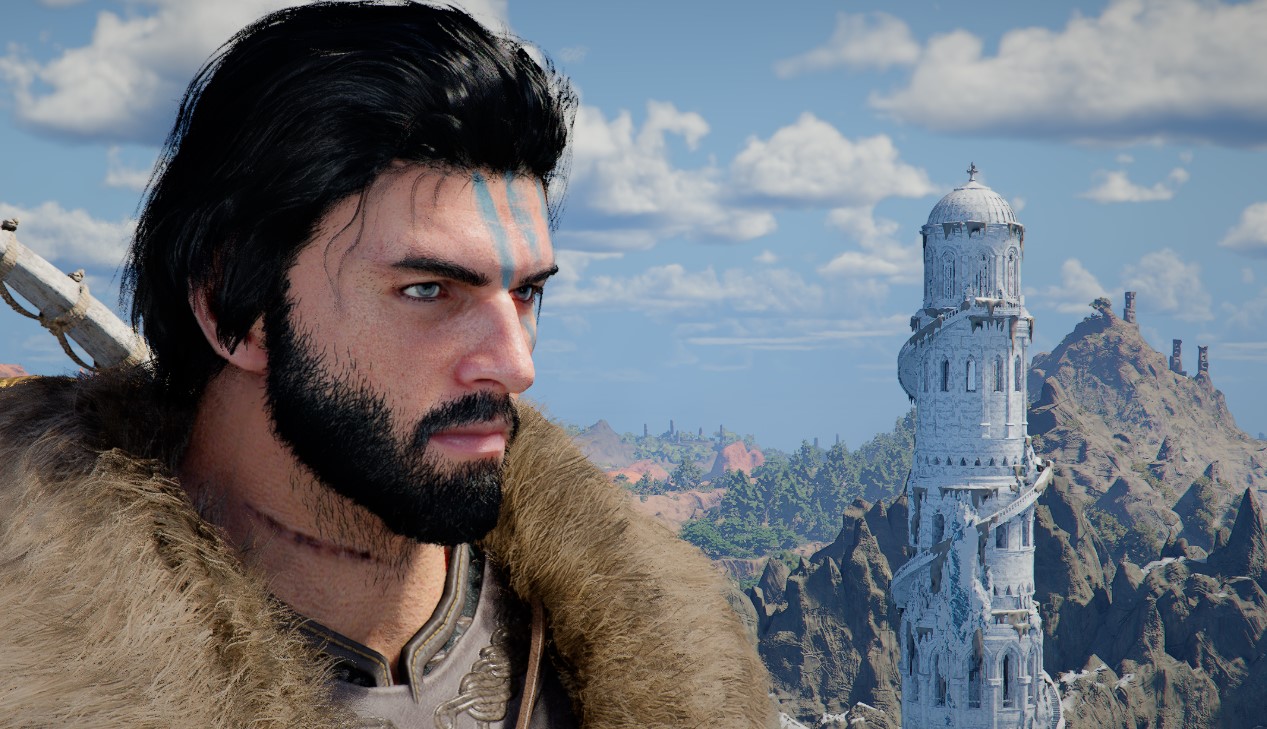
What the Crimson Desert Review Process Revealed About Gameplay?
Combat feels visceral. That’s the phrase that keeps popping up. Punches land with weight. Grapples and throws look cinematic. The skill tree offers multiple paths per node, which means your build can evolve in surprising ways.
But here’s the catch. Controls take time to master. Especially on a controller. Button combinations get complex. The game teaches mechanics gradually, sure, but the learning curve? Steep doesn’t even cover it.
Character switching adds replayability. Each companion has unique weapons, fighting styles, and skill trees. Mastering one doesn’t mean you’re done. You’re constantly learning even after 40+ hours. However, inventory management for swapping gear isn’t as streamlined as it could be. Small friction points like that add up.
The sandbox freedom is where things get fun. Hunt bounties by tackling and hog-tying targets on horseback. Rescue villagers from bandits. Or cause chaos by stealing livestock and robbing wagons. You can punch down trees, set objects ablaze, launch yourself with physics, or swing across gaps. It’s the kind of emergent gameplay that creates stories you’ll tell friends later:
- Boss fights offer huge variety – some epic and balanced, others inconsistent or borderline unfair.
- Dragon riding is thrilling when it works, but clunky mounting often requires workarounds.
- Mech sections, by contrast, feel polished and genuinely fun.
Gear progression starts slow. Many early items feel like side-grades. It ramps up later with deeper systems involving armor upgrades, weapons, consumables, and socketable Abyss cores. If you’re the type who loves theory-crafting builds, you’ll find plenty to chew on. If you just want to feel powerful early? Might feel like a grind.
Story and World: Does the Narrative Hold Up?
The story begins with reuniting the scattered Greymanes, a group of mercenaries bound by loyalty and loss. This personal arc delivers touching, grounded moments that hit emotionally harder than many spectacle-driven scenes.
As the narrative expands, it introduces larger threats involving magic, ancient mysteries, and even unexpected technological elements. Keeps things fresh without overwhelming you early on. Voice acting stands out as a highlight – or polarizing feature, depending on taste. The dialogue feels raw, unfiltered, and packed with swearing that fits the gritty world.
One recurring mechanic involves a helmet that triggers flashbacks to explore memories in specific areas. It’s functional for lore delivery but repetitive. Proper cutscenes would have elevated these moments. Quest objectives can also be vague, rewarding players who enjoy Elden Ring-style minimal guidance while frustrating those who prefer clear direction.
Castle sieges and major set pieces deliver unforgettable spectacle. They balance quieter character moments with high-stakes action. Overall, the story supports the gameplay loop rather than dominating it. Perfect for a game this expansive.
But there’s a catch. Some reviewers found characters uninteresting and missions reminiscent of generic MMO tasks. If you’re looking for Witcher-level writing depth, you might come up short. The world feels spectacular visually but lacks that distinct, lived-in texture that makes places feel truly memorable.
Technical Performance and Polish Issues
On PC, performance was solid. Consistently above 60 FPS at 2K and rarely dipping below 50 at 4K on high-end settings. Path tracing makes visuals stunning – a night and day difference from lower presets. Console footage also looks impressive, though base PS5 performance has raised some concerns among players.
Music elevates everything. Especially those Witcher-like orchestral swells during boss fights.
Bugs remain the biggest drawback. While many are minor, others pile up, particularly in the second half. Crashes occurred occasionally despite 100+ hours of testing. The day-one patch addresses several issues, including crashes and boss revive exploits, but the game still feels like it could have used extra polish time.
| Platform | Performance Notes | Visual Highlights |
|---|---|---|
| PC (High-end) | 60+ FPS at 2K, 50+ at 4K | Path tracing, stunning night visuals |
| PS5 Pro | Stable 30 FPS in Quality mode | HDR10+ support, excellent fidelity |
| Base PS5 | Some performance concerns noted | Still impressive, but may need patches |
| Xbox Series X/S | Similar to PS5 based on specs | Dynamic resolution, solid visuals |
Individual bugs aren’t usually game-breaking. But their frequency adds frustration. Quest blockers, weird physics glitches, occasional crashes – they’re not dealbreakers, but they remind you this is a massive, ambitious project that maybe needed a bit more time in the oven.
Exploration and Discovery: The Heart of the Experience
Here’s where Crimson Desert really shines. The world of Pywel isn’t just big – it’s layered. You’ve got dense forests that hide ancient ruins, sprawling deserts with buried secrets, and mountain peaks that reward climbers with breathtaking vistas. And the best part? The game rarely holds your hand.
You stumble upon a weird glowing shrine? Go check it out. See a distant tower shrouded in mist? That’s probably worth the trek. This sense of organic discovery feels refreshing in an era where open worlds often feel like checklists.
The environmental storytelling is subtle but effective. Abandoned campsites tell tales of failed expeditions. Graffiti on castle walls hints at political unrest. Even the weather system – dynamic and sometimes brutal – adds to the immersion. Getting caught in a sandstorm isn’t just a visual effect; it affects visibility, movement, and combat.
And then there are the NPCs. Not every character is deep, sure. But many have routines, opinions, and reactions that change based on your actions. Help a village fend off raiders? They might offer discounts or share rumors. Rob the same village? Expect guards on high alert and cold shoulders from locals.
The day-night cycle matters too. Some quests only trigger after dark. Certain enemies become more aggressive at night. And the lighting? Gorgeous. Sunsets paint the sky in hues of orange and purple that make you stop and just… look.
Combat Depth: More Than Just Button Mashing
Let’s talk combat again, because it deserves more attention. At first glance, it looks like your standard action RPG fare – light attacks, heavy attacks, dodges, parries. But peel back the layers, and there’s real depth here.
The stamina system rewards timing over spamming. Dodge too early? You’ll get hit. Parry at the wrong moment? Your guard breaks. But nail that perfect counter? The payoff is huge – both visually and mechanically.
Each character class brings a different flavor. The brute-force warrior feels weighty and deliberate. The agile rogue rewards quick reflexes and positioning. The magic-user offers ranged options but demands resource management. And since you can swap companions mid-fight, you’re constantly adapting your strategy.
Boss design varies wildly – and that’s intentional. Some fights feel like epic duels requiring pattern recognition and patience. Others are chaotic brawls that test your ability to think on your feet. A few? Yeah, they feel unbalanced. But even the frustrating ones teach you something.
The crafting system ties into combat too. You can modify weapons with elemental effects, add sockets for special abilities, or brew potions that give temporary buffs. It’s not overwhelming, but it offers enough customization to let you tailor your approach.
And honestly? The feedback is satisfying. Hits connect with a thud. Blocks spark with impact. When you finally take down a tough enemy after a tense battle, you feel it. That’s the kind of moment that keeps you coming back.
The Little Things That Make a Difference
It’s easy to focus on the big stuff – combat, story, graphics. But sometimes it’s the small details that stick with you.
Like the way your character’s breath fogs in cold weather. Or how horses react differently to terrain – nervous on cliffs, calm on plains. Or the subtle soundtrack shifts when you enter a dangerous area.
The UI is clean and unobtrusive. Menus are easy to navigate, even with a controller. The map is detailed but not cluttered. Fast travel exists, but it’s limited enough that you’re still encouraged to explore on foot or horseback.
Loading times are short, especially on SSD-equipped consoles. Death penalties are fair – you lose some progress but not hours of work. The checkpoint system feels generous without being hand-holdy.
Even the tutorial is well-paced. It introduces mechanics gradually, lets you practice in a safe space, then throws you into the deep end. By the time you’re facing your first major boss, you feel prepared – not because the game told you exactly what to do, but because you learned by doing.
Crimson Desert Review – Community and Player Experiences
One thing that’s fascinating about the Crimson Desert review conversation is how personal it feels. Players aren’t just debating scores – they’re sharing stories.
“I spent three hours just fishing and watching the sunset.”
“I accidentally started a war between two factions by picking the wrong dialogue option.”
“I died to the same boss seven times, then finally won – and screamed.”
These aren’t scripted moments. They’re emergent, player-driven experiences that feel authentic. And that’s hard to pull off in a big-budget game.
The lack of multiplayer might surprise some, given Pearl Abyss’ background. But it makes sense here. This is a personal journey. Your choices, your builds, your discoveries. Adding co-op or PvP might have diluted that intimacy.
That said, the community is already finding ways to connect. Sharing build guides. Posting screenshots of breathtaking vistas. Debating lore theories. The game might be single-player, but the experience doesn’t have to be lonely.
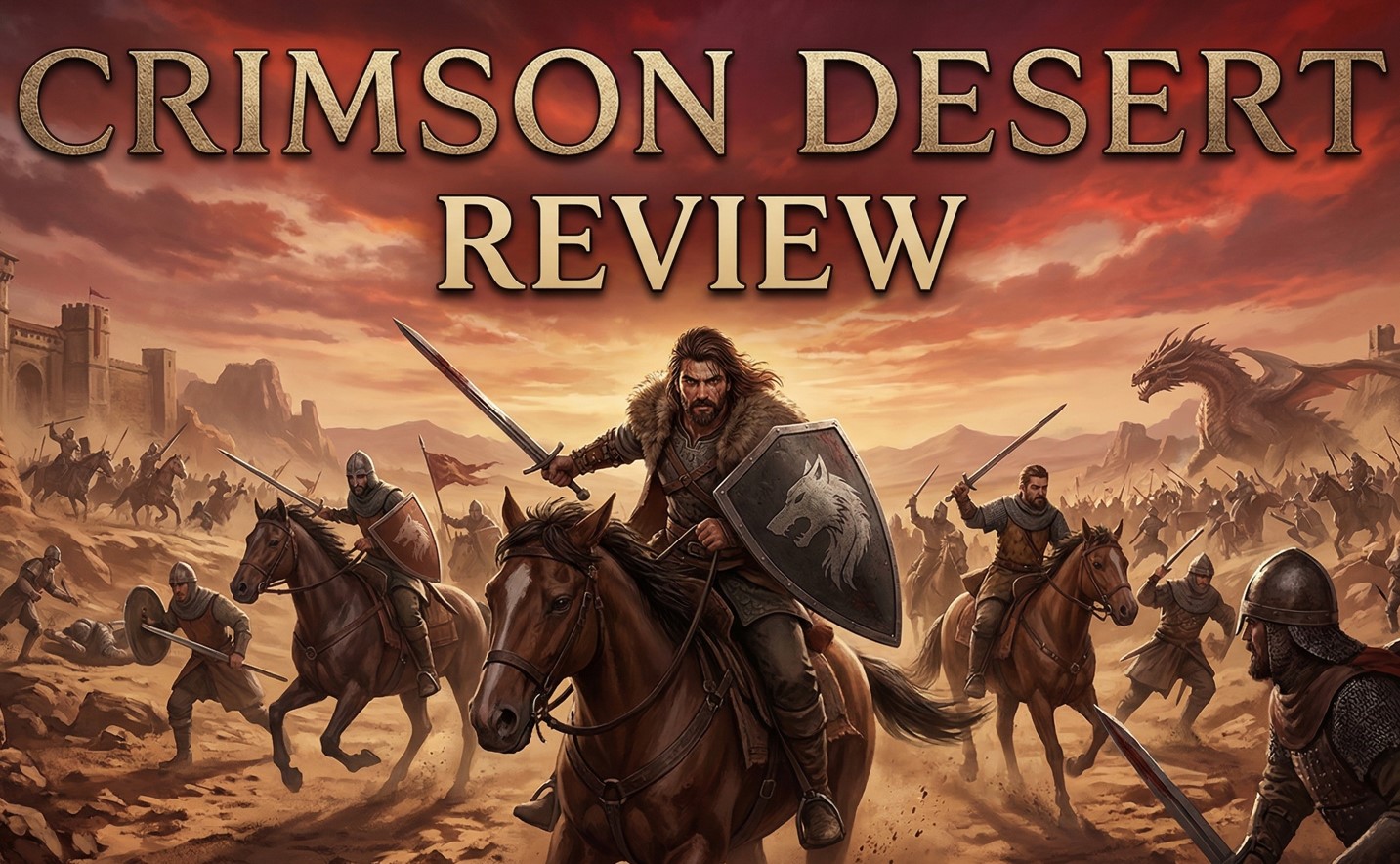
Pros and Cons: The Honest Breakdown
Alright, let’s get real. No fluff, no hype. Just the straight-up good and bad.
Pros:
- Massive, immersive open world packed with discovery opportunities and environmental storytelling.
- Deep, satisfying combat with character variety, build flexibility, and meaningful progression.
- High freedom and chaotic sandbox gameplay that rewards experimentation and creativity.
- Stunning visuals, especially with path tracing enabled, and a dynamic weather system that affects gameplay.
- Excellent voice acting and a raw, unfiltered dialogue style that fits the gritty tone.
- Character switching adds strategic depth and replayability without feeling gimmicky.
- Emergent moments create unique, shareable stories that feel personal and authentic.
Cons:
- Steep learning curve for controls and complex systems that might overwhelm new players.
- Repetitive flashback mechanics and occasionally vague quest objectives can frustrate.
- Buggy in places, especially in the later game – patches should help, but day-one experience isn’t flawless.
- Story and characters don’t always land with the emotional weight the game aims for.
- Some boss fights feel unbalanced or unfair, testing patience more than skill.
- Inventory and gear management could be more streamlined, adding minor friction to the flow.
- Base console performance has raised concerns – PC or PS5 Pro recommended for the best experience.
So yeah. It’s not perfect. But perfection isn’t always the goal, is it? Sometimes a game just needs to be memorable. And Crimson Desert? It’s definitely that.
FAQ
What platforms is Crimson Desert available on?
Crimson Desert launched on PC via Steam, PlayStation 5, and Xbox Series X/S on March 19, 2026.
Does Crimson Desert have multiplayer?
No, Crimson Desert is a single-player open-world action-adventure RPG. No co-op or PvP modes at launch.
How long is the main story?
Most reviewers report 40-60 hours for the main campaign, with 90+ hours for completionists who explore side content.
Is Crimson Desert worth playing on base PS5?
Performance on base PS5 has raised some concerns. If you have a PS5 Pro or PC, that’s ideal. Base PS5 players might want to wait for performance patches.
Does the game require a constant Internet connection?
No, Crimson Desert is a fully offline single-player experience. No always-online requirement.
Are there microtransactions in Crimson Desert?
No microtransactions in the base game. This is a premium single-player title with no in-game purchases.
Will Crimson Desert get DLC or expansions?
Pearl Abyss hasn’t announced post-launch content yet. Given the game’s scope, future expansions seem likely, but nothing confirmed.
Final Thoughts: A Flawed Masterpiece With Heart
Look, I get why the Crimson Desert review scores are all over the map. This game asks a lot from players. It doesn’t hold your hand. It throws you into a massive world and says, “Figure it out.” For some, that’s liberating. For others, it’s exhausting.
The combat system is genuinely impressive once you click with it. The world is gorgeous. The freedom to cause chaos or play hero feels authentic. But the story doesn’t always land. The bugs can be frustrating. The learning curve can feel punishing.
But here’s why it matters. In an industry that often plays it safe, Crimson Desert swings for the fences. It’s messy, ambitious, and unapologetically itself. That’s worth celebrating, even with the flaws.
If you’re the type of gamer who loved getting lost in early Elder Scrolls titles, or who appreciated the systemic freedom of Breath of the Wild, you’ll find a lot to love here. Just go in with realistic expectations. This isn’t a polished, cinematic masterpiece. It’s a big, bold, occasionally brilliant sandbox that rewards patience and curiosity.
You know what? Maybe that’s the real appeal. In a landscape full of safe sequels and formulaic open worlds, Crimson Desert feels… alive. Unpredictable. Human, even.
It stumbles sometimes. It asks for your patience. But when it clicks? When you’re riding a dragon over a sunset-lit canyon, or pulling off a perfect combo against a towering boss, or just sitting by a campfire listening to the wind? Those moments stick with you.
So yeah. The Crimson Desert review conversation is complicated. But maybe that’s the point. Some games aren’t meant to be universally loved. Some are meant to spark debate, to divide opinion, to make you think about what you actually want from a game.
Crimson Desert does that. Flaws and all. And honestly? That’s kind of beautiful.
If you’ve got the time, the patience, and a taste for ambitious, messy, heartfelt experiences – give it a shot. Just don’t expect perfection. Expect adventure. Expect surprise. Expect to get lost in the best possible way.
And if it’s not your thing? That’s okay too. Not every game is for everyone. But for those it clicks with? Crimson Desert might just become a favorite.
If this Crimson Desert review hit home, do us a solid – share it with your crew on social media and toss it in your bookmarks for later. Your support keeps our team fueled and ready to bring you more honest, no-fluff gaming coverage. And if you’re feeling creative or want to chat about working together, the BandurArt team is just a message away – we’d love to hear from you.