
Why Stylized Art Direction Often Ages Better Than Realism?
Open a screenshot of Crysis from 2007 and one from The Legend of Zelda: The Wind Waker from 2002. Crysis was celebrated as the benchmark of graphical realism at launch – a technical showcase that pushed hardware to its limits. Wind Waker was dismissed by some critics at the time for looking too cartoonish. In 2026, Wind Waker still looks intentional and beautiful, while some will argue Crysis looks like an old game. That gap, and the reasons behind it, is one of the most instructive lessons in the history of game art direction.
Why Realism Has a Built-In Expiry Date?
Photorealistic games are in a race they cannot win. By committing to the visual language of real life – high-resolution textures, accurate lighting, lifelike proportions – they invite direct comparison to reality itself and to every subsequent generation of hardware that renders it better. A game that earns praise for jaw-dropping realism in one hardware cycle routinely looks merely acceptable five years later, and dated a decade out.
The closer a game comes to cutting-edge realism, the more quickly it can become visually outdated. Graphics technology evolves rapidly, and a game lauded for its graphics in 2015 might look merely “okay” by 2025 standards. The irony is structural: realism’s greatest strength – its accuracy – is also the quality that makes it vulnerable. The moment better technology arrives, the previous benchmark is exposed.
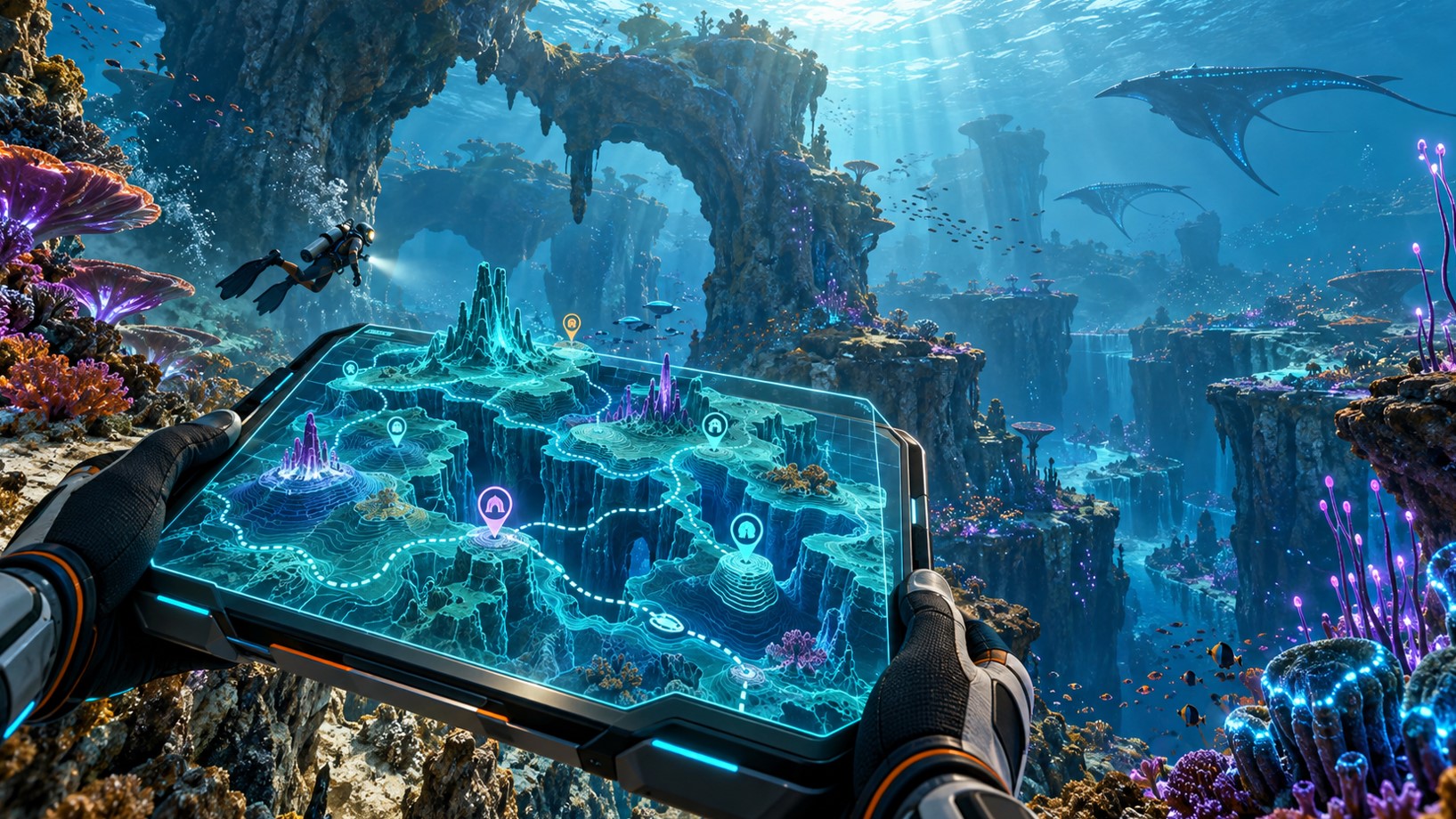
Stylized art sidesteps this entirely. Because stylized games aren’t aiming for realism, they don’t directly compete with ever-improving graphics technology. A well-crafted cartoon or painterly style can still look beautiful many years later, because it was never about technical realism to begin with. The standard of judgment shifts from “does this look real” to “does this look right” – and a strong artistic vision can satisfy that second question indefinitely.
The Games That Prove It
The argument isn’t theoretical. Team Fortress 2 still looks fantastic, despite releasing in 2007. Valve’s decision to pursue stylized graphics over realism kept the game visually fresh for over fifteen years. Jet Set Radio, Okami, and Persona 5 all chose bold, stylized presentations that transcended their hardware limitations entirely. They created visual identities so strong that technical improvements wouldn’t necessarily make them better.
The esports titles that have built the most enduring competitive followings operate on the same principle. League of Legends, Valorant, and Rocket League all use stylized visual languages that prioritize readability and identity over photorealism – and all three have maintained massive audiences across multiple hardware generations without their visuals becoming a liability.
You’ll notice that this translates to the popularity of esports odds as well. For instance, with Bovada esports odds, the titles with the deepest and most consistent betting markets are overwhelmingly stylized rather than photorealistic. Bovada covers CS2, League of Legends, Dota 2, Valorant, Overwatch, and Rocket League across match winner, map totals, handicap, and live in-play markets – every one of them built on a visual identity that has held up across years of competition without requiring a graphical overhaul to remain relevant.
The esports titles drawing the most sustained audience and wagering interest are those with art directions strong enough to remain iconic, rather than just current.
Stylization as a Design Decision, Not a Budget Compromise
One of the persistent misconceptions about stylized art is that it’s a fallback for studios that can’t afford realism. The evidence consistently argues otherwise. Stylized visuals require fewer resources than hyper-realistic graphics, making them ideal for indie developers and smaller studios – but that technical advantage is a byproduct of a design choice, not the motivation behind it. The studios making the most distinctive stylized games aren’t cutting corners; they’re making deliberate visual arguments.
Hi-Fi Rush launched in 2023 with cel-shaded graphics synchronized to its rhythm gameplay. The visual style perfectly complements the musical mechanics, creating an experience impossible with realistic graphics. Cuphead’s 1930s animation style isn’t a limitation – it’s the entire conceptual foundation of the game. Hollow Knight’s hand-drawn environments communicate atmosphere in ways that photorealistic rendering would actively undermine. In each case, the stylization is load-bearing. Remove it, and you don’t have a more realistic version of the same game – you have a different, lesser one.
A well-executed stylized look often ages gracefully, preserving value over long live-ops cycles. Stylized art can also improve cognitive clarity: clear silhouettes, pronounced contrasts, and simplified materials help players parse complex scenes quickly. That functional advantage compounds over time – a game that’s easier to read is a game that’s easier to return to, years after launch.
The Best Reinventions Are Built on a Clear Identity
A pattern visible across games is that things that last longest are the ones that knew what they were and committed to it fully, rather than chasing whatever the current benchmark happened to be. This happens with top-level athletes as well. Late-career athletes who extend their relevance don’t do it by pretending to be who they were at twenty-five – they do it by redefining how they play around what still works, leaning into their identity, rather than abandoning it for something they can no longer sustain.
The NBA has produced some of the most compelling examples of this – players who seemed to be declining and then rebuilt their games around a clearer, more sustainable version of what made them valuable. These are the reinventions that endure precisely because they’re built on self-knowledge, rather than imitation.
The parallel with stylized art direction is direct. The games that age best aren’t the ones that tried hardest to look like something else – they’re the ones that committed to a specific vision and executed it with enough craft that the passage of time had nowhere to get a foothold. Wind Waker didn’t age well despite its stylization. It aged well because of it.
Where the Industry Is Heading?
The broader trend in 2026 confirms what the best-aged games have been demonstrating for decades. Many developers are shifting away from photorealistic designs, opting instead for unique, handcrafted aesthetics that emphasize artistic expression over technical precision. This trend has been fueled by a desire to create visually striking experiences that stand out in an oversaturated market.
The saturation point matters. When every realistic game is competing on the same axis – polygon count, texture resolution, lighting fidelity – differentiation becomes nearly impossible. Stylized games can stand out instantly on crowded storefronts; strong shape language and color can make thumbnails and ads pop in ways that photorealistic screenshots, which increasingly resemble each other, simply cannot.
The games that endure share common traits: they prioritize strong fundamentals over technical showmanship and create distinctive identities that transcend hardware limitations. That is, in the end, a description of stylized art direction at its best – and a reasonable prediction of which games released in 2026 will still look intentional and purposeful a decade from now.
P.S. Support our team and help us grow by sharing this post across your social media platforms and letting your friends discover our work. Take a moment to bookmark this content so you can easily return to it anytime. If you’re interested in creative art projects or commercial collaboration, feel free to write directly to the BandurArt team.